
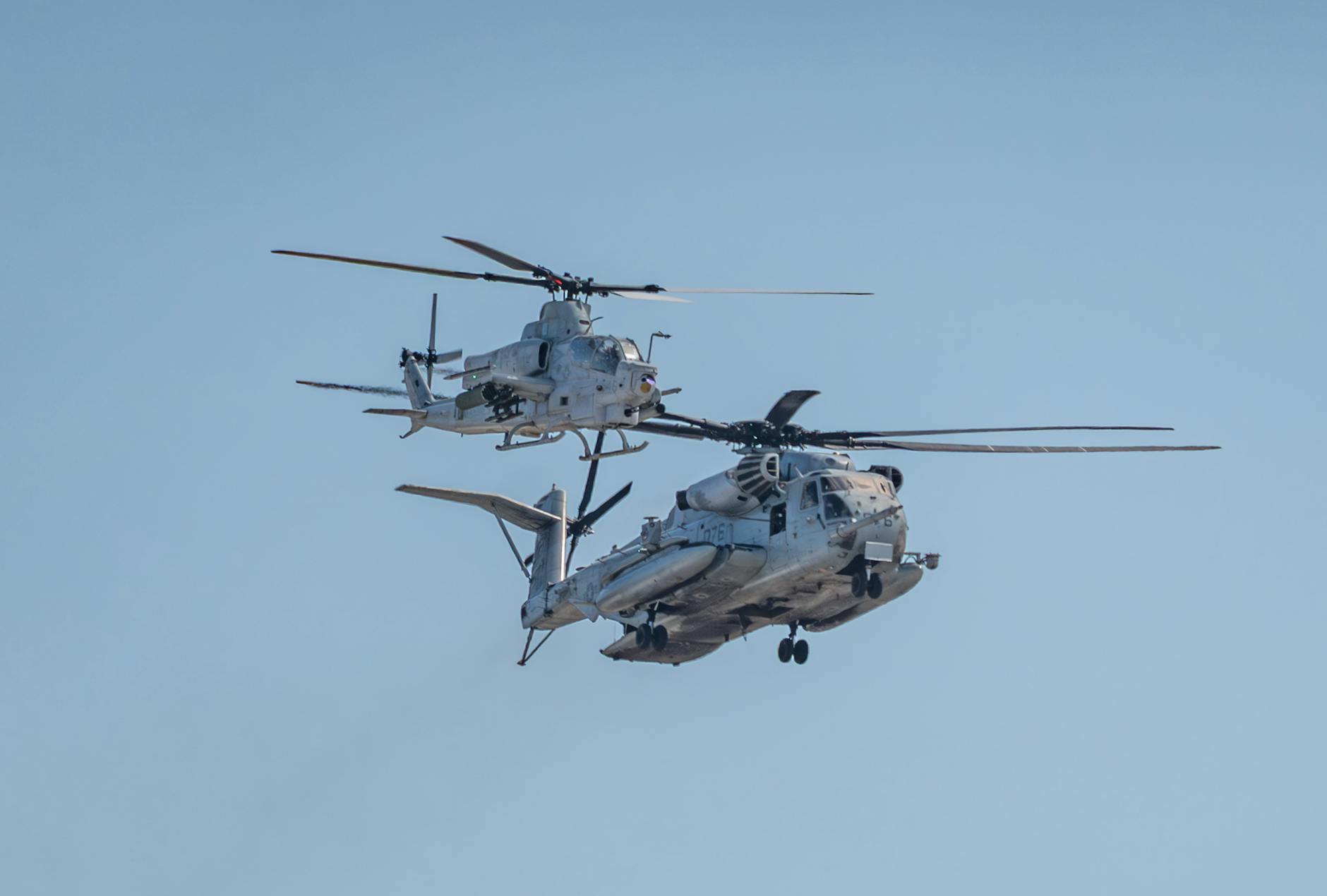
The major media is hinting that strikes may start against Iran today. Tankers are up and in the area, though we have no idea of what type of aircraft they are dragging.
This begs to question, what is going to happen now?
Conceivably, the U.S. could launch targeted military strikes amid ongoing protests in Iran and prior actions like the June 2025 nuclear facility bombings. This scenario draws from observed U.S. military build-ups, including carrier strike groups and air assets positioned in the Middle East, signaling potential for limited operations rather than a full-scale invasion. The strategy would emphasize overwhelming air and naval superiority to neutralize key Iranian threats—such as air defenses, missile sites, and command centers—while minimizing U.S. casualties. Ground forces, including Marines, would play a supporting role in securing objectives or conducting special operations. The aim: deter Iranian aggression, support regional stability, and potentially aid internal dissent without regime change as an explicit goal. This analysis is based on expert assessments and historical precedents, projecting a multi-phase operation lasting days to weeks.
Naval Deployment and Utilization
The U.S. Navy would form the backbone of any strike, leveraging its carrier strike groups (CSGs) for persistent power projection in the Persian Gulf and Arabian Sea. Currently, the USS Abraham Lincoln CSG has been deployed to the region, marking a significant build-up since the 2025 strikes. This group includes an aircraft carrier with up to 70 fighter jets, escorted by cruisers, destroyers equipped with Aegis missile defense systems, and nuclear submarines. In a strike scenario, the carrier would position itself outside the Gulf to avoid Iran’s anti-access/area-denial (A2/AD) threats, such as coastal missiles and mines.
Naval operations would begin with a “pivot” phase: repositioning assets from other theaters, like the South China Sea, to form a pincer formation around Iran. Destroyers and submarines would launch Tomahawk Land Attack Missiles (TLAMs) in the initial volley, targeting Iranian air defenses and ballistic missile launchers to create safe corridors for air operations. With limited TLAM stocks in-theater (potentially from three destroyers and one sub), resupply via tankers would be critical. Submarines could conduct covert strikes on Iranian naval assets, including patrol boats and submarines in the Strait of Hormuz, to prevent disruptions to global shipping.
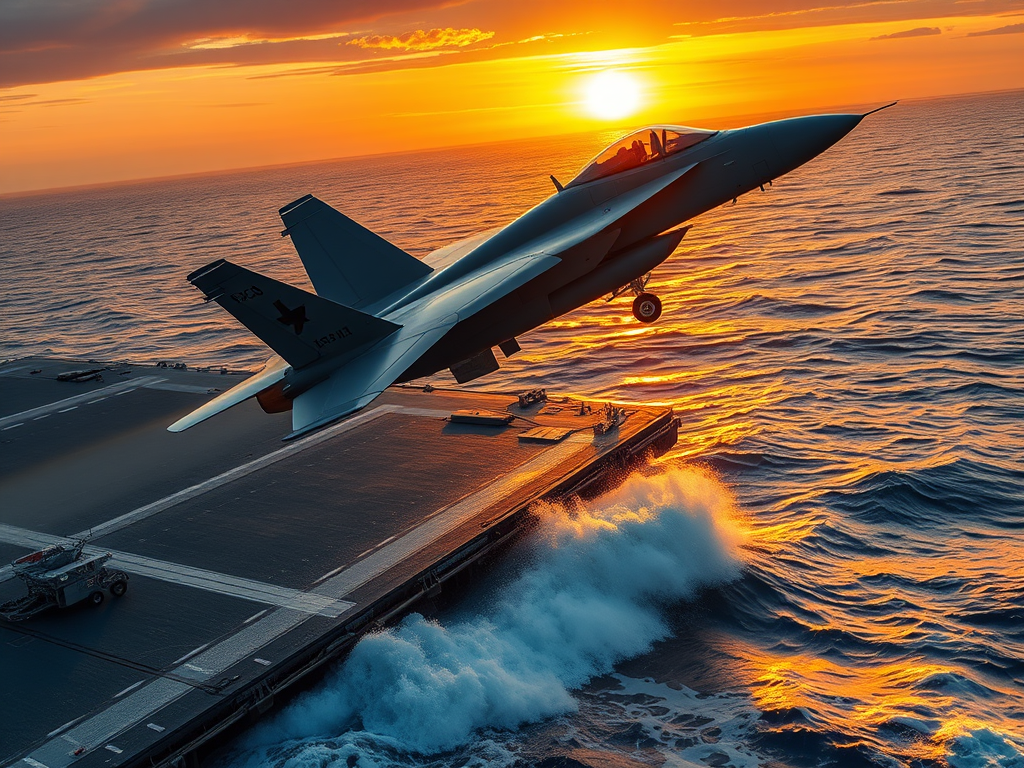
The Navy’s role extends to deterrence and sustainment. CSGs would maintain 24/7 air patrols, launching F/A-18 Super Hornets for close air support and electronic warfare using EA-18G Growlers to jam Iranian radars. If Iran attempts asymmetric warfare—deploying mines, fast-attack boats, or drones against U.S. ships—the Navy’s Aegis systems and helicopters would counter these, potentially escalating to strikes on Iranian ports or offshore infrastructure. Overall, naval forces would enable a “stand-off” strategy, avoiding direct Gulf entry where Iran’s coastal defenses pose high risks, and instead projecting power from safer waters in the Arabian Sea.
Air Force Deployment and Utilization
U.S. Air Force assets would dominate the kinetic phase, focusing on precision strikes to degrade Iran’s command-and-control and missile capabilities. Deployments include B-2 Spirit stealth bombers, F-35 Lightning II stealth fighters, F-15E Strike Eagles, and supporting tankers like KC-135s and KC-46s. These would stage from bases in Qatar, Bahrain, and Diego Garcia, with rapid reinforcements via global air mobility commands.
The operation might commence with stealth aircraft penetrating Iranian airspace in radio silence, using B-2s armed with Joint Air-to-Surface Standoff Missiles (JASSMs) to hit high-value targets like nuclear sites (e.g., Fordow, Natanz) or leadership bunkers. F-35s from carriers would follow, suppressing air defenses with electronic attacks and precision-guided munitions. F-15Es could serve dual roles: intercepting Iranian drones or cruise missiles with air-to-air missiles and APKWS rockets, while also bombing ground targets.
Air Force readiness exercises, like those announced recently, would demonstrate rapid deployment, dispersing assets across the region to avoid Iranian ballistic missile threats. Tankers and cargo planes would sustain operations, ferrying munitions and personnel. A multi-day campaign could involve hundreds of sorties, prioritizing Iran’s IRGC facilities and protest-suppression units to indirectly support demonstrators without direct involvement. Cyber elements might integrate, disrupting Iranian communications before physical strikes.
Marine Corps Deployment and Utilization
While air and naval forces handle the bulk, U.S. Marines would deploy for targeted ground operations, avoiding a large-scale invasion deemed unrealistic. Units from the Marine Expeditionary Force (MEF) could embark on amphibious ships like those in the USS Abraham Lincoln group, positioning for rapid insertion.
Marines might conduct special operations raids via helicopters or V-22 Ospreys from carriers, securing high-risk sites like nuclear facilities or extracting U.S. personnel. In a limited scenario, they could establish forward operating bases in allied territories (e.g., Iraq or Gulf states) for artillery support or drone launches. If escalation occurs, Marines would counter Iranian proxies in Iraq or Syria, using HIMARS rockets against militia bases. Their role emphasizes mobility and precision, with up to 120,000 troops potentially mobilized if needed, though experts predict smaller contingents for containment rather than occupation.
The integrated strategy: Initial naval missile barrages clear paths for air strikes, with Marines providing ground truth via reconnaissance. This “air-sea battle” approach exploits U.S. advantages in technology and range, aiming to end operations quickly amid risks of Iranian retaliation via missiles or proxies. Additionally, Marine air assets would be used to target high value targets with their F-35’s and drones with the MEU’s helicopters.
How would the Russians Response?
Russia, a key Iranian ally, would likely respond with diplomatic condemnation and limited support, avoiding direct confrontation. Moscow has held meetings with Iranian officials, pledging rhetorical backing against “foreign interference.” Militarily, Russia could accelerate arms deliveries, such as Su-35 jets, enhancing Iran’s air defenses. Joint naval exercises in the Gulf of Oman might deter U.S. actions, with Russian warships providing symbolic presence.
However, constrained by Ukraine commitments, Russia would stay on the sidelines, exploiting U.S. distractions for gains elsewhere, like in Europe or Venezuela. No full military intervention is expected; instead, intelligence sharing and vetoes in the UN Security Council to block sanctions.
Potential Chinese Responses
China, focused on economic ties with Iran, would oppose U.S. strikes as “interference,” emphasizing sovereignty. Beijing has signed security pacts and could provide surveillance tech or economic aid to bolster Iran’s regime. Naval drills with Iran and Russia signal deterrence, potentially deploying ships to the region.
Like Russia, China avoids kinetic involvement, using the crisis to criticize U.S. unilateralism and advance Belt and Road interests. Responses might include oil price manipulations or diplomatic mediation offers, positioning China as a peacemaker while weakening U.S. alliances. Overall, both powers would amplify Iran’s resilience without risking war, potentially prolonging tensions through proxy support.
This hypothetical strike underscores the high stakes: U.S. dominance in conventional warfare versus Iran’s asymmetric threats and great-power backing. Escalation could spike oil prices, ignite regional conflicts, or draw in allies, demanding careful calibration.


Leave a Reply